
Porphyria is a group of rare disorders related to how your body makes heme, an essential molecule used in hemoglobin (oxygen-carrying protein in red blood cells) and many enzymes.
What causes porphyria
Heme is made through a multi-step process using 8 enzymes.
If one enzyme is deficient (often from a gene mutation), porphyrins or their precursors build up, leading to symptoms.
Most forms are genetic, though some (like porphyria cutanea tarda) can be triggered by factors like iron overload, hepatitis C, alcohol, or smoking.
Blue Urine
Main categories
Acute porphyria (nervous system dominant)
Cause sudden “attacks.”
Common symptoms:
Severe abdominal pain
Nausea, vomiting, constipation
Anxiety, confusion, insomnia
Nerve pain or weakness
Example: Acute intermittent porphyria (AIP) — most common acute type.
Cutaneous porphyrias (skin dominant)
Cause light sensitivity and skin injury.
Common symptoms:
Blistering or fragile skin after sun exposure
Scarring or pigment changes
General symptoms across types
Abdominal pain
Light sensitivity / blistering skin
Neurologic symptoms (seizures, neuropathy, psychiatric changes)
Some attacks can be severe or life-threatening if untreated.
Common triggers (especially for acute types)
Certain medications
Fasting or dieting
Alcohol or smoking
Hormonal shifts
Stress or infection
Sun exposure (cutaneous types)
Treatment (depends on type)
May include:
Hemin infusions (reduces toxic precursor buildup)
Glucose/carbohydrates during attacks
Avoiding triggers
For skin types: phlebotomy, hydroxychloroquine, sun protection
The disease = toxic buildup of heme pathway intermediates
Symptoms depend on where they build up (liver, bone marrow, skin, nervous system)
King George III of Great Britain (reigned 1760–1820) (AKA “the Mad King”) and his connection to this disorder.
In the 1960s, researchers proposed he may have had porphyria based on symptoms like abdominal pain, anxiety, hallucinations, weakness, and dark urine.
This idea became famous and was sometimes called the “Royal Malady.”
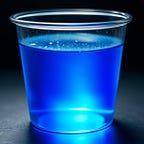
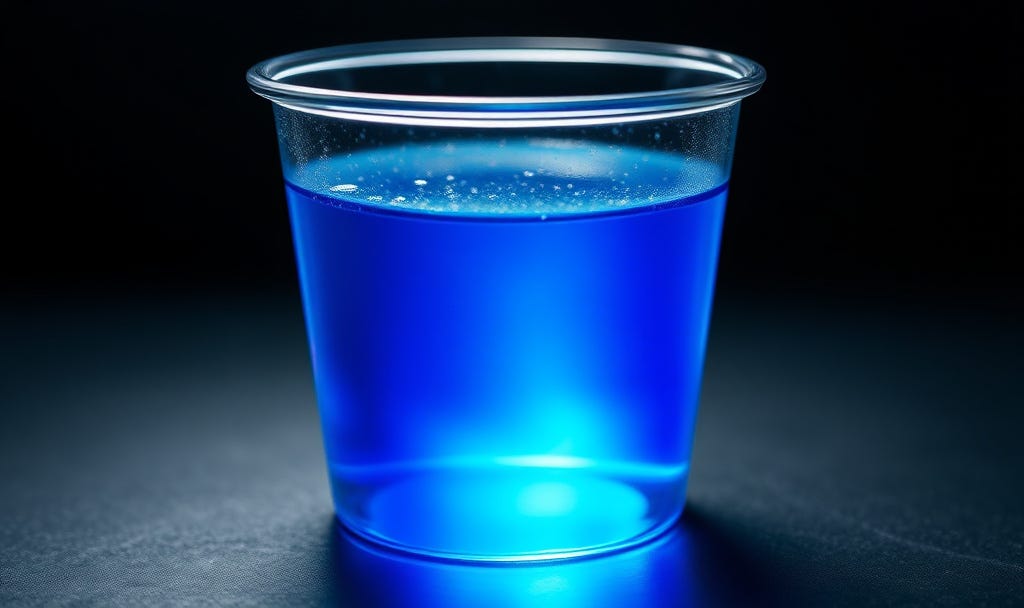
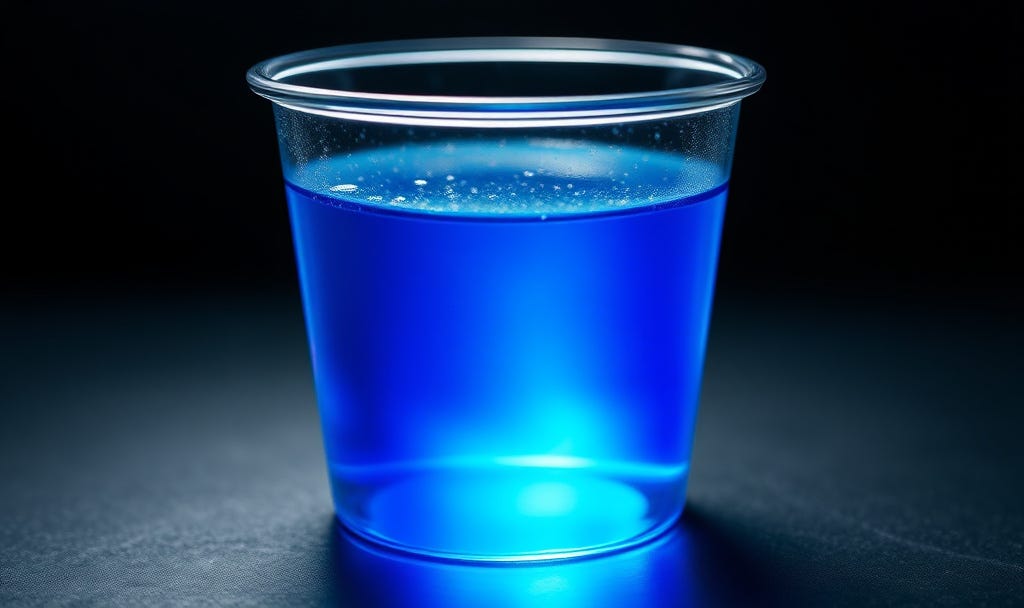
Testing (urine PBG/ALA, genetics, etc.) Blue.Green urine, especially when exposed to sunlight.